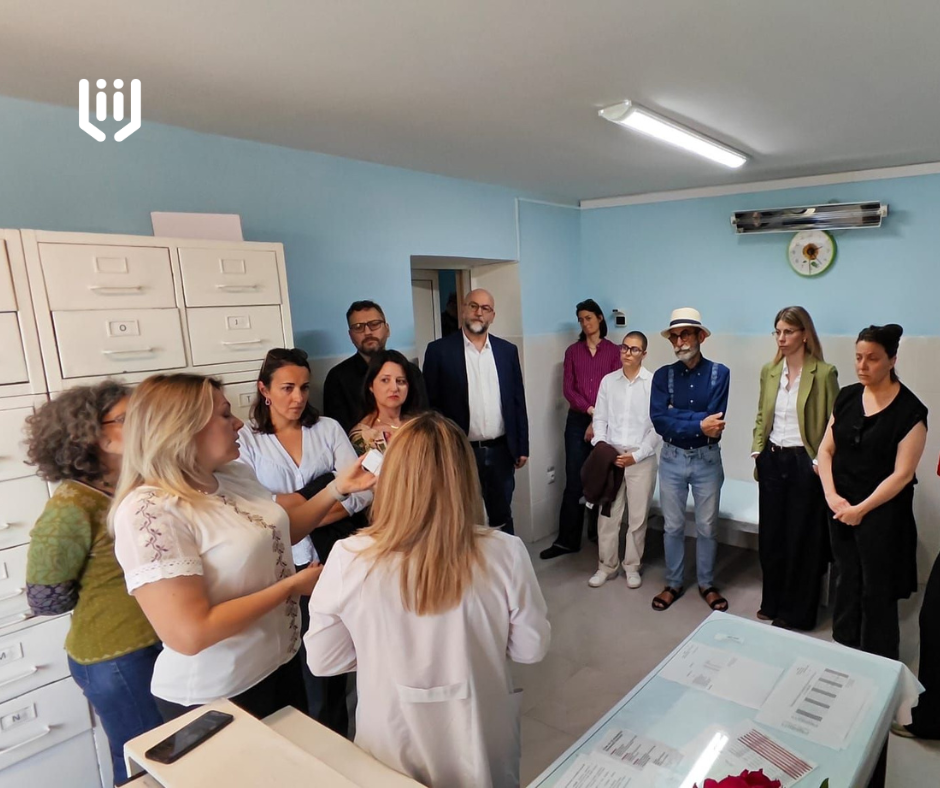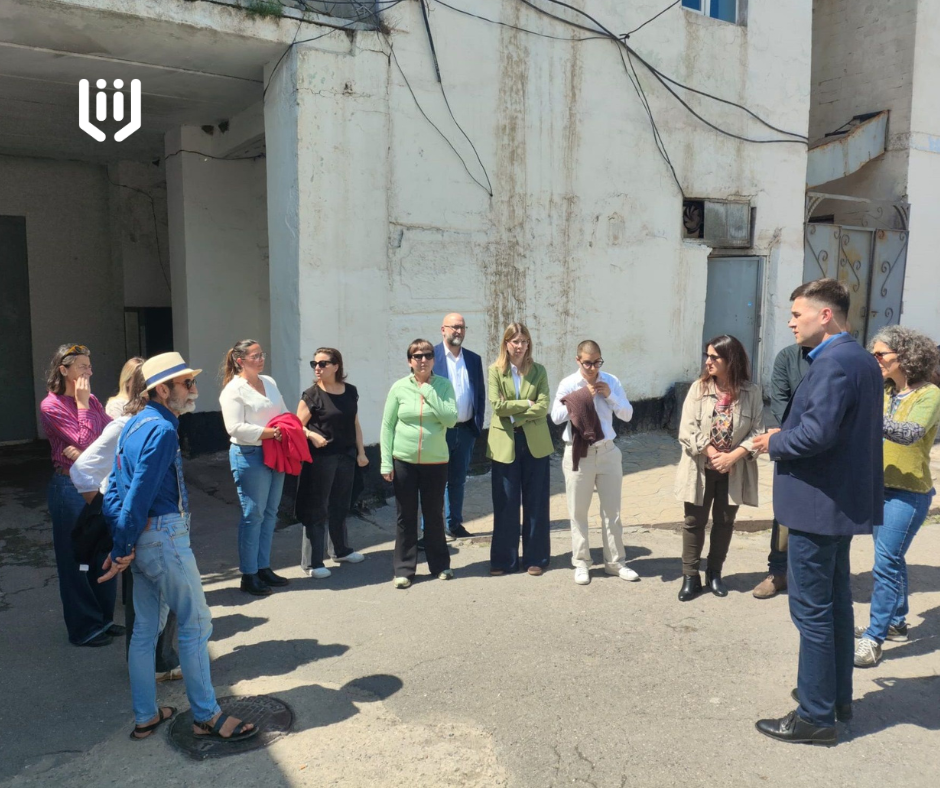
On 21–22 May 2026, the PARTNER project consortium met in Chisinau, Moldova, for a two-day transnational meeting dedicated to the development and validation of the project’s training program for prison settings across Europe.
The meeting brought together partners from France, Greece, Italy, and Moldova to review progress achieved so far and coordinate the next phases of the project. Discussions focused on the final findings of Work Package 2 (WP2), the internal validation of the training modules developed under Work Package 3 (WP3), the preparation of educational materials, the dissemination activities, and the planning of the upcoming pilot phase.
Throughout the meeting, partners analysed and discussed training content addressing key health priorities identified through participatory activities conducted with people living and working in prisons. The modules focus on topics including:
- suicide prevention and psychological safety
- hygiene and infection prevention
- substance use and addiction
- non-communicable diseases (NCDs)
- first aid and safety
- access to health services
Particular attention was given to the practical development of training materials, as well as to the most effective ways of presenting information in accessible and engaging formats for prison settings.
During discussions on the module on substance use and addiction, partners exchanged views on overdose response, recognition of severe withdrawal symptoms, behavioural addictions, and available support services. Sessions on suicide prevention and access to health services highlighted the importance of recognising warning signs, applying de-escalation techniques, supporting peers in crisis, and ensuring equal access to healthcare.
The second day of the meeting focused on Work Package 4 (WP4) and the next stage of the project: testing and validating the PARTNER training program in prison settings. Discussions included evaluation methodology, pilot implementation, timelines, dissemination activities, and future scientific outputs.
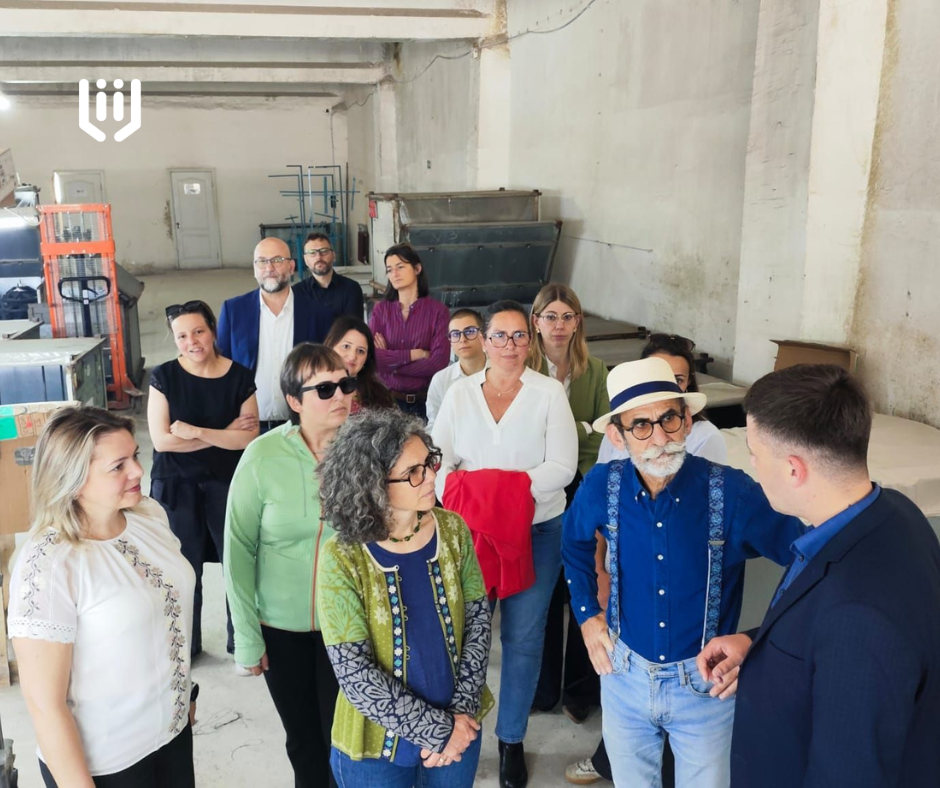
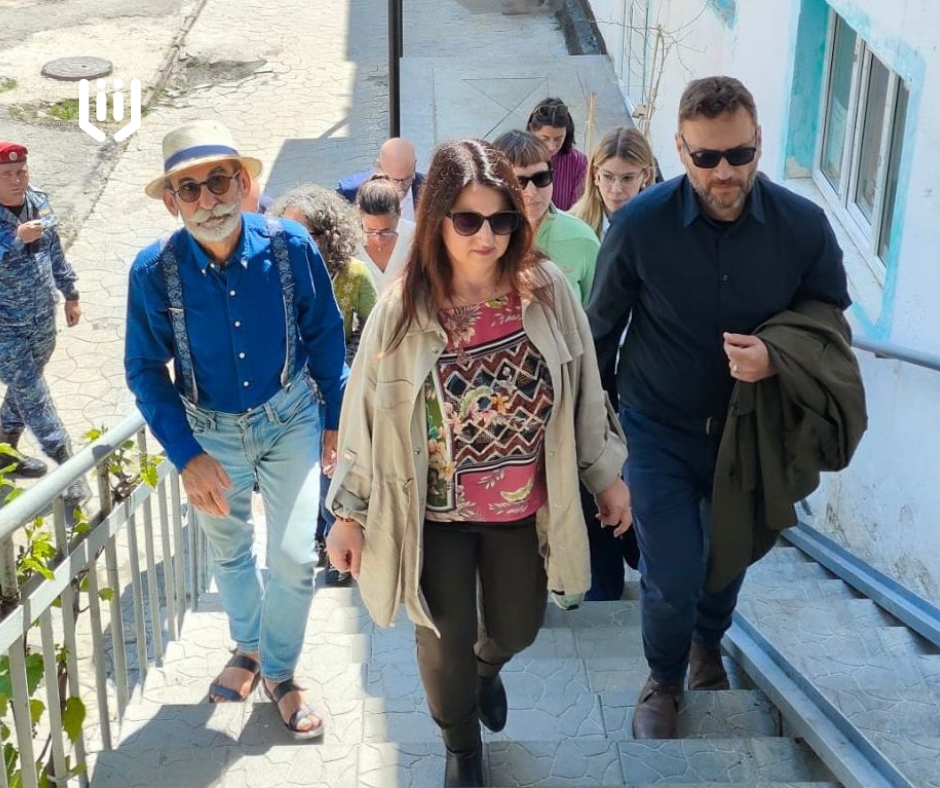
As part of the meeting, partners also visited a semi-closed prison for adult men in Branesti (50 km north of Chisinau). The visit provided valuable insight into prison environments and health services for people in detention, and further highlighted the importance of developing practical, accessible and needs-based health education tools.
Participatory approaches and collaboration with prison communities remain at the core of the PARTNER project, supporting efforts to strengthen health literacy and promote more equitable access to health information and healthcare in prison settings across Europe.